Upgrade Your Ride: A Complete Guide to Car Audio System Installation
Enhancing a car stereo can substantially boost the ride quality. Improved sound quality and modern features, such as wireless audio connectivity, are persuasive factors for numerous drivers. However, finding the ideal stereo system and confirming it fits the car's configuration can be challenging. Additionally, proper installation is essential to steer clear of common issues. Understanding these elements can improve both the sound experience and the pleasure of driving. What steps should one take to achieve this upgrade?
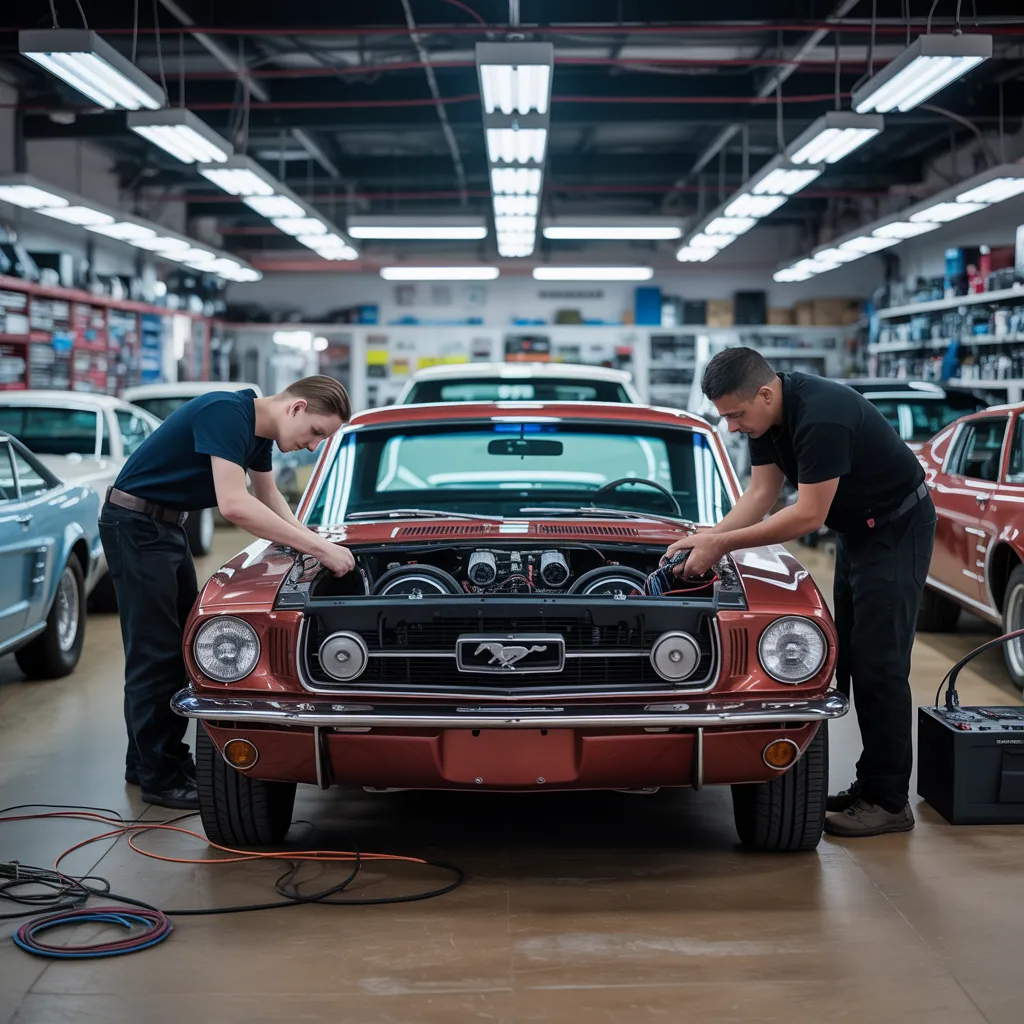
What Are the Benefits of Upgrading Your Car Stereo?
Upgrading a car stereo can greatly elevate the overall driving experience, as drivers often pursue enhanced audio performance and modern features. Numerous drivers discover that factory-standard systems lack the audio clarity and power they desire. A replacement stereo ensures improved bass, treble, and audio balance, elevating the audio experience.
Furthermore, current car stereo systems provide integration options such as Bluetooth, USB ports, and compatibility with smartphone applications, facilitating seamless connectivity with personal devices. This enables users to access their favorite music, podcasts, and navigation tools effortlessly effortlessly.
In addition, a new stereo can include impressive enhancements like touch-enabled screens, configurable equalizer settings, and onboard navigation features, allowing drivers to access information while driving. As technology continues to evolve, investing in a car stereo upgrade can also ensure the vehicle stays current, confirming it stays consistent with future audio systems and formats. All things considered, an improved in-car stereo substantially elevates the ride for drivers and passengers alike.
Choosing the Right Car Stereo for Your Needs
Picking the right car stereo involves recognizing personal preferences and specific requirements. Shoppers should assess factors such as sound quality, connectivity options, and compatibility with their vehicle. Numerous models may offer diverse features, including Bluetooth capability for hands-free calling, USB ports for device charging, and support for streaming services.
Additionally, buyers need to assess the size of the audio unit to ensure it fits their dashboard seamlessly. Certain users might favor a touchscreen interface for convenience, while others might opt for standard button controls.
Sound output is another critical aspect; those who value superior sound performance should look for models with higher wattage and advanced equalization settings.
In conclusion, financial considerations play a major role in the decision-making process. Through balancing performance, quality, and budget, individuals can discover the car stereo that aligns best with their preferences, enhancing their driving experience.
Critical Tools for Successful Installation
A successful car stereo installation requires a few essential tools to ensure the job is done properly and efficiently. First, a combination of Phillips and flathead screwdrivers is necessary when detaching and mounting the stereo unit. Wire strippers and crimpers make wiring connections straightforward, guaranteeing a sturdy and dependable electrical circuit. A multimeter proves useful when checking voltage levels, whereas electrical tape and heat shrink tubing shield connections from damage and moisture.
Moreover, a panel pry tool can prevent damage to the dashboard when removing the stereo. Wire ties help with managing and fastening wiring, which is important for ensuring a neat setup. Lastly, having a socket set on hand can simplify the process of removing bolts and screws. By preparing oneself with these tools, an technician can handle the process with more confidence and precision.
How to Set Up Your New Stereo in Simple Steps
Setting up a new car stereo requires a systematic approach to guarantee success. Initially, it is essential to collect the required equipment, followed by the safe removal of the old stereo. Finally, properly wiring the new device will conclude the installation process.
Gather Necessary Tools First
Prior to beginning a car stereo setup, it's vital to collect all the required tools to guarantee a smooth process. Essential items consist of a screwdriver set, usually including Phillips and flat-head types, to loosen the screws securing the stereo. A panel removal tool is essential for gently prying off dashboard panels without any harm. Wire strippers and connectors will be required for proper wiring and connections. Additionally, a multimeter is useful for checking that all electrical connections are functioning correctly. It's also advisable to have cable ties or electrical tape on hand for organizing wires neatly. Lastly, a flashlight can illuminate dark areas during installation. By gathering these tools in advance, the installation process can be more efficient and organized.
Safely Remove Old Stereo
Properly removing the old stereo is an essential step in the installation process. First, the car's battery should be disconnected to eliminate the risk of electrical shocks or shorts. Next, the removal of any trim pieces surrounding the stereo is necessary; this is typically done with a trim pry tool to avoid damage. Once the trim is off, screws or clips securing the stereo must be removed. With these mounting hardware taken out, carefully extract the stereo from its dashboard opening. It is essential to disconnect the wiring harness and antenna cable carefully, ensuring no wires are damaged in the process. After the old stereo is completely removed, it can be placed aside, preparing the space for the new installation.
Connect New Stereo Properly
With the old stereo removed, attention shifts to connecting the new unit properly. The installer should start by gathering the essential tools, which include wire strippers and connectors. Following this, the installer can reference the new stereo's wiring diagram, which generally aligns color-coded wires with the vehicle's harness. Proper wire connection is critical; as an example, red typically denotes power, while black signifies ground. Once the connections are made, they should be secured with connectors or soldered for durability. The installer should then slide the new stereo into its mounting bracket and confirm it is snugly fit. To conclude, reattach any panels that were removed during installation, carefully verifying all connections before turning on the new stereo to confirm it works properly.
Connect Your Stereo: Bluetooth & Wiring Tips
Wiring a car stereo involves grasping essential wiring components and understanding the Bluetooth pairing process. Careful installation can improve sound quality, but users may encounter common issues that require resolution. This guide will offer important tips to ensure a flawless connection and peak performance.
Essential Wiring Connections
When installing a car stereo, understanding essential wiring connections is critical for guaranteeing peak performance and full functionality. The main connections consist of power, ground, and speaker wires. The power wire, commonly red, attaches to the vehicle's battery, delivering the essential energy needed for operation. The ground wire, typically black, ensures the stereo operates without interference. Speaker wires, often color-coded, connect to the speakers, delivering audio signals. Properly crimping or soldering these connections is important to prevent shorts or audio issues. Furthermore, using pertinent information a wiring harness can streamline the installation process by offering a plug-and-play solution designed for the vehicle. Confirming these connections are secure and correctly configured will enhance the overall listening experience and longevity of the stereo system.
Bluetooth Pairing Procedure
After securing the needed wiring connections, the next phase consists of linking the car stereo with a smartphone or other Bluetooth-compatible device. To begin, the driver must confirm that Bluetooth is activated on the mobile device. They should then access the unit's Bluetooth configuration, generally accessible in the main interface. The stereo will typically show a selection of available devices. The driver chooses their smartphone from this selection. A pairing code may display on both screens; acknowledging this code establishes the pairing. Upon successful pairing, the stereo generally supports wireless audio and wireless calling. It is wise to test the connection by playing a song or initiating a phone call to ensure that sound quality and functionality are functioning properly.
Addressing Common Challenges
Resolving frequent problems with car stereo setups necessitates an organized strategy to diagnose and solve problems efficiently. To begin, ensure that all wiring connections are tight and correctly aligned with the vehicle's wiring diagram. Loose or incorrect connections can lead to power failure or distorted sound. If the stereo fails to power on, check the fuse and the vehicle's battery. For Bluetooth connectivity issues, confirm that the device is in pairing mode and within range. Additionally, verify the stereo's firmware is up-to-date. Should the audio quality be subpar, review the speaker connections and configurations. In conclusion, reviewing the user manual can supply detailed troubleshooting instructions specific to the stereo model, optimizing the installation experience.
Top 5 Installation Mistakes to Avoid
While car stereo installation might appear simple, many individuals unknowingly make critical mistakes which can cause inadequate functionality or even vehicle damage. One typical oversight is not disconnecting the battery, potentially leading to electrical shorts or hazardous shocks. A second error involves not correctly aligning the stereo's power needs and wiring, causing unsatisfactory audio performance or total system breakdown.
Moreover, failing to use proper tools can cause stripped screws or harm to components. Overlooking compatibility with the vehicle's existing system is another pitfall; using a stereo that doesn't fit can lead to installation issues. Finally, poor speaker placement can negatively impact sound quality and audio performance. By sidestepping these five key mistakes, individuals can secure a more efficient installation process and relish improved audio performance in their vehicles.
Frequently Asked Questions
Can I Install a Car Stereo Without Professional Help?
Indeed, an individual can set up a car audio system without the help of a professional. With the proper tools, instructions, and a bit of patience, most people succeed in completing the installation by themselves, upgrading their car's listening experience.
What Is the Typical Duration of a Car Stereo Installation?
A car stereo installation typically takes anywhere from one to four hours, based on the system's complexity and the vehicle's make and model. Factors like experience and tools available can also influence the duration.
What Are the Signs I Need a New Car Stereo?
Indicators suggesting a need for a new car stereo include persistent sound distortion, failure to connect external devices, frequent Bluetooth issues, malfunctioning controls, and an obsolete user interface. These concerns tend to negatively impact the entire driving experience and satisfaction.
Can Upgrading My Stereo Impact My Vehicle's Warranty?
Upgrading a car stereo might influence the vehicle's warranty, particularly if the fitting leads to issues or if specific components are impacted. It's advisable to check the warranty terms or a certified dealership for clarification.
Can I Reuse My Old Speakers With a New Stereo?
Yes, old speakers can often be reused with a new stereo, as long as they are compatible. Nevertheless, assessing their condition and confirming they satisfy the new system's power and impedance specifications is critical for optimal performance.